Stories From the Cellar
Most Wine Advice Is Written for People Who Don’t Actually Buy the Wine
And that is why it feels useless at the exact moment you need it.
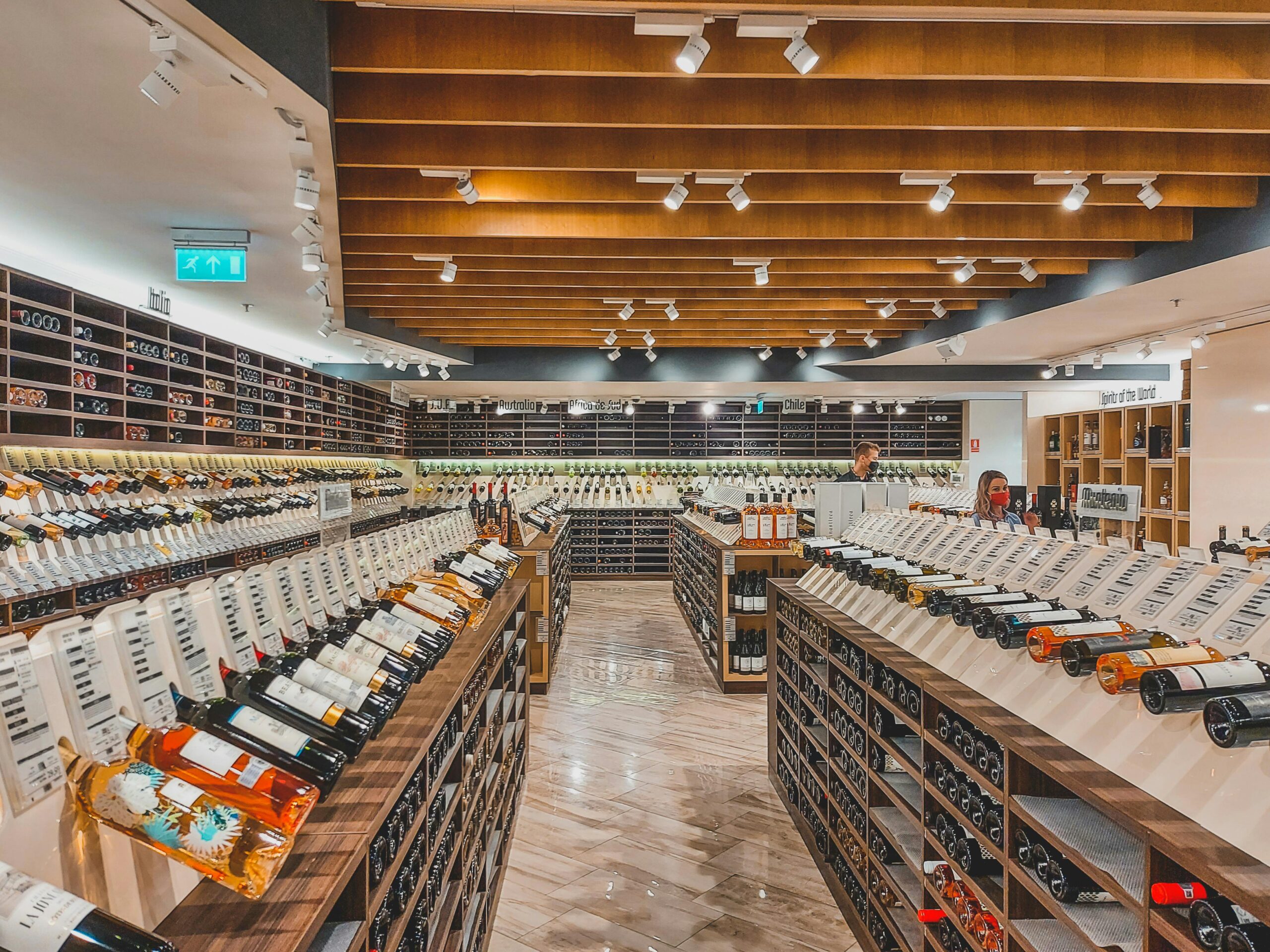
Most wine advice is written from a distance. It assumes you are comparing vintages, collecting producers, and calmly decoding labels in perfect lighting. In real life, you are in a store aisle with five minutes, a budget, and the quiet fear of choosing wrong.
The gap is not intelligence. The gap is context. Most advice ignores the moment wine is actually bought.
This is why wine content can feel simultaneously sophisticated and completely unhelpful. It is written for someone else. Someone who is not juggling dinner, a gift, and a checkout line.
Who most wine advice is actually for
A lot of wine writing is built around a fantasy reader. Not in a bad way. It is just optimized for a different audience.
- People ordering $120 bottles at restaurants, where the list is curated and the risk is social, not financial.
- Collectors with storage, patience, and a long memory.
- Industry insiders who already know the map and want nuance, not direction.
- Critic-followers who buy what is praised, not what fits their table.
None of that is wrong. It is just not most people. Most people buy wine for Tuesday dinner, hosting friends, or giving a gift.
Why the advice feels unhelpful in the aisle
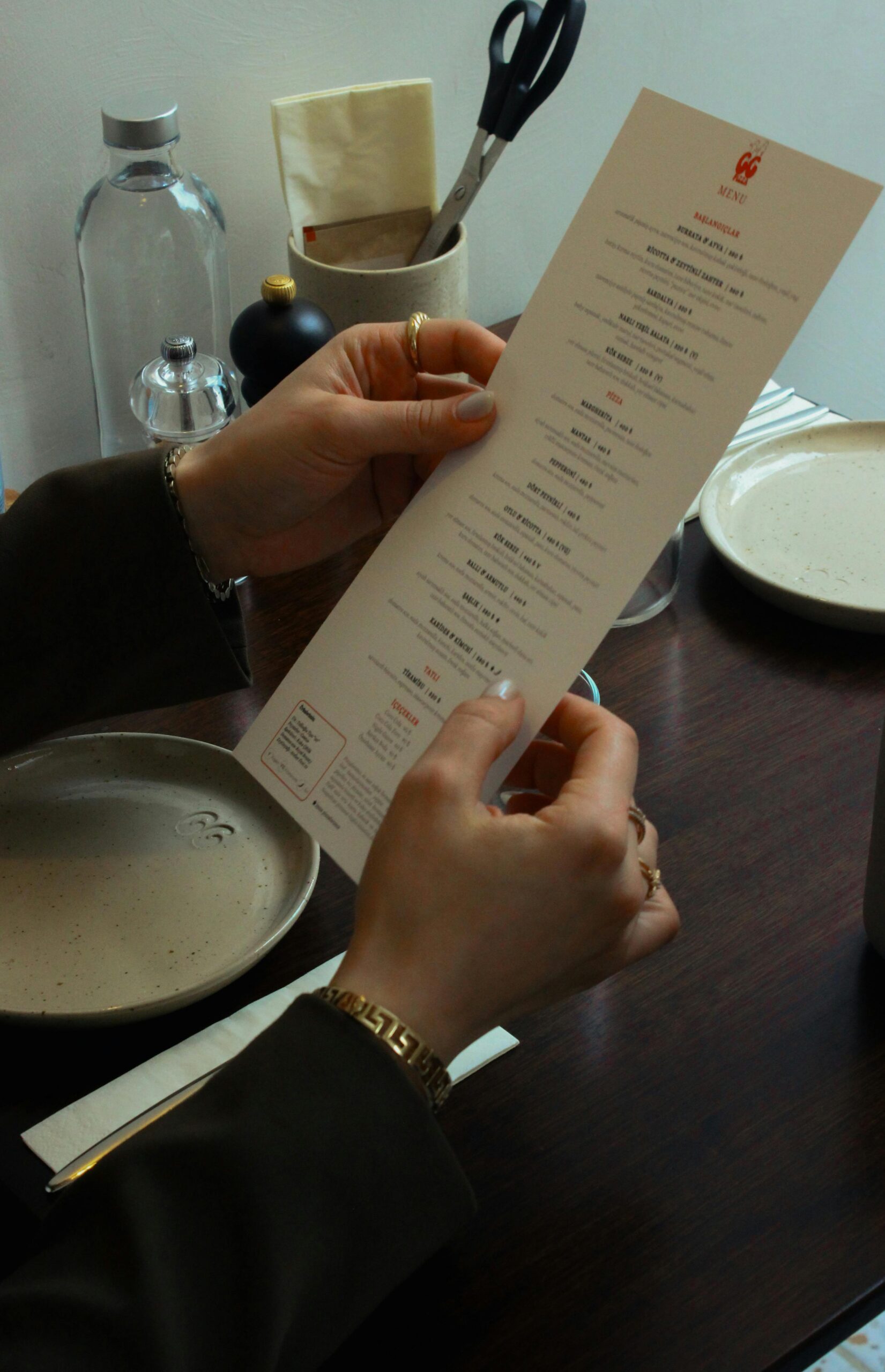
Most wine advice is descriptive when you need it to be decisive. It tells you what a wine is, not what to do.
Here is what people are usually trying to solve in real time:
- I need something that will not disappoint.
- I do not want to look clueless.
- I want it to pair well enough.
- I want it to feel like a good gift.
- I do not want to overpay for a label.
A long explanation of a region does not answer those questions. A practical shortcut does.
The unspoken problem. Wine is bought under pressure
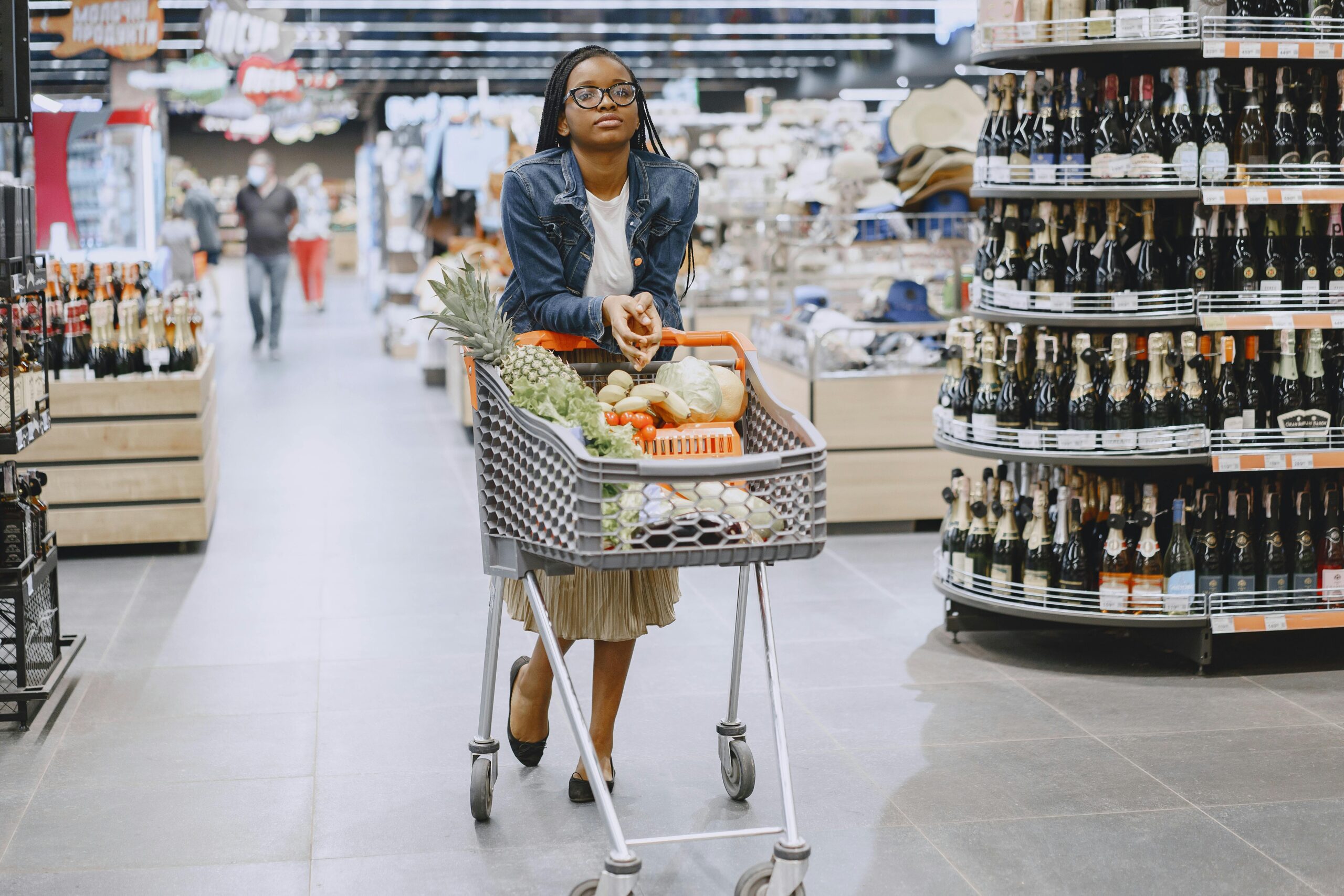
Most people do not buy wine when they are relaxed. They buy it while planning dinner, rushing to a gathering, or trying to be thoughtful for someone else. That pressure changes everything.
Under pressure, humans reach for:
- Familiar labels (even if they do not love them).
- Price as a proxy (even if it is a weak one).
- Safe grapes (even if they feel bored).
- The second-cheapest option (the classic confidence hack).
None of these are “mistakes.” They are coping strategies. The problem is they keep people stuck.
A better way to think about buying wine
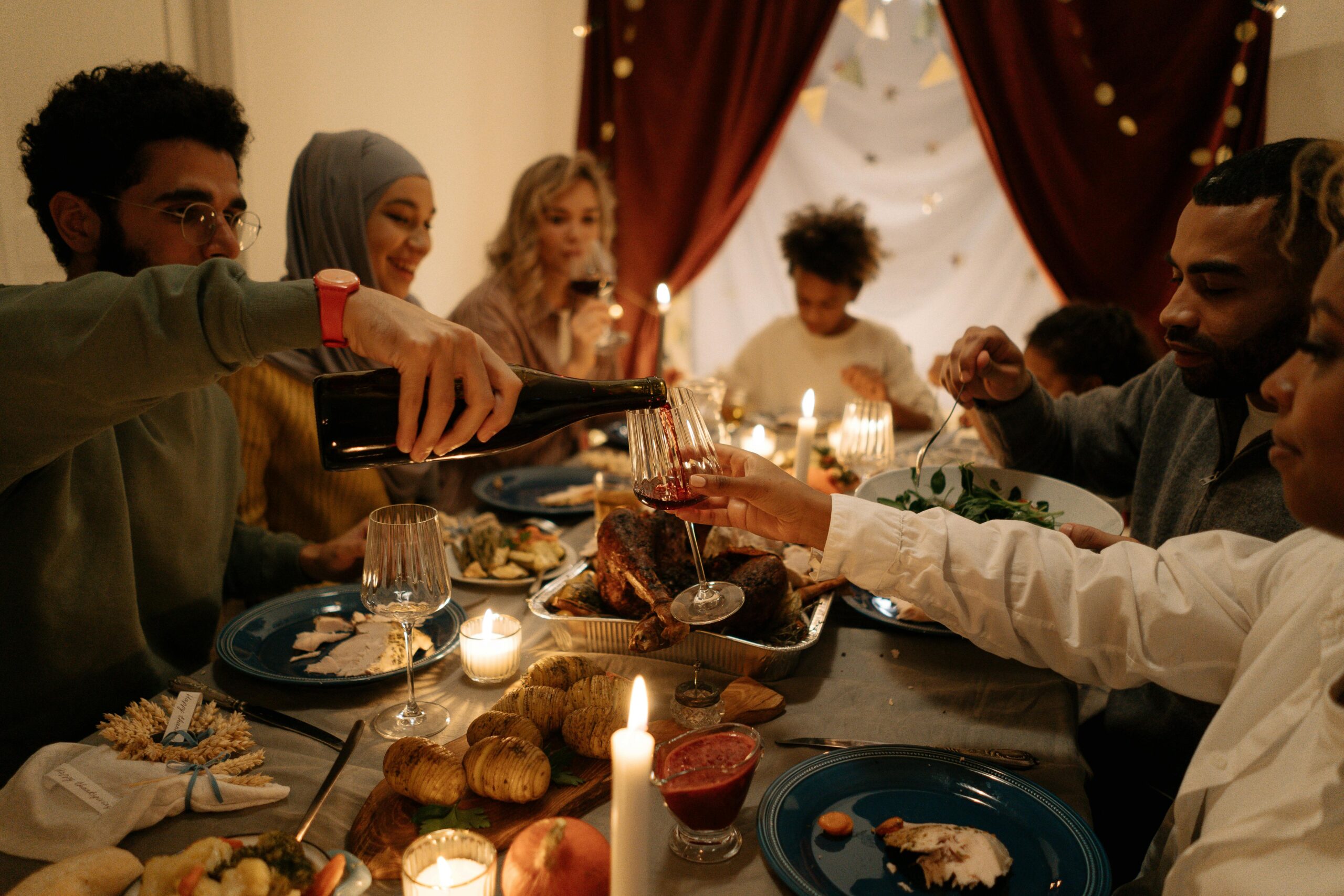
Instead of starting with regions and producers, start with the job the bottle needs to do. Wine is not a trivia contest. It is a tool for a moment.
1) What is the occasion?
- Tuesday dinner. Comfort, easy pairing, low regret.
- Hosting. Crowd-friendly, versatile, not polarizing.
- A gift. Feels intentional, looks appropriate, reduces risk.
2) What is the vibe?
- Light and bright or richer and bolder.
- Dry or a touch of fruit.
- Refreshing or cozy.
3) What is the risk tolerance?
- Low risk. Familiar grapes, classic styles, easy wins.
- Medium risk. A new region, a trusted recommendation, a smaller producer.
- High curiosity. Something unusual, chosen for discovery.
This is the framework most advice skips, because it is not glamorous. It is just effective.
Shortcuts that actually help, without feeling like cheating
If you want to get better at buying wine, you do not need a certification. You need a few reliable systems that reduce pressure.
- Use a simple rule for pairing. Match weight with weight. Light food with lighter wine, heavier food with richer wine.
- Repeat purchases on purpose. The second bottle teaches you faster than endless sampling.
- Keep one “host bottle” in your pocket. A style you can bring anywhere without stress.
- Use curated paths when you are buying for someone else. Gifting is where confidence matters most.
If you want a curated starting point, take our Find Your Wine Club Quiz. If you want a broader, editorial comparison, start at our Best Wine Clubs hub. If the goal is gifting, use Best Wine Clubs for Gifting.
If you want the short list of partners we genuinely recommend, see Who We Trust.
The bottom line
The wine industry loves complexity, because complexity creates authority. Real buyers need clarity.
The best wine advice is not the most detailed. It is the most usable in the moment you are actually buying.
Start with the job the bottle needs to do. Then choose a style that fits. Confidence comes from having a system, not from memorizing labels.
Wine isn’t something you master. It’s something you get more comfortable with over time. And the right guidance makes that comfort arrive faster.
Prefer to explore first? See who we trust and why.