Stories From the Cellar
The Psychology of Wine
Why the same bottle tastes better on vacation
You’ve probably experienced it.
You’re on vacation. The sun is setting. You open a bottle of wine that feels unforgettable. Weeks later, you buy the same bottle at home, and it somehow feels flatter, quieter, and less magical.
The wine didn’t change. You did.
Taste is never just about what’s in the glass. It is shaped by context, expectation, mood, and memory.
Your Brain Tastes Before Your Mouth Does
Long before wine touches your tongue, your brain is already making decisions. It registers the label, the setting, and the people around you, then quietly predicts what you are about to experience.
Expectation plays a massive role in perceived quality. This is the same psychological effect behind why expensive wine isn’t always better, even when we think it should be.
In other words, price, context, and even a little social pressure can influence taste more than we like to admit.
Why Vacation Wine Hits Different
On vacation, stress drops. Curiosity rises. Time slows. Your senses become more open, and your judgment softens.
That openness allows wine to feel richer, more expressive, and more pleasurable, even if the bottle itself is completely ordinary.
The secret is not the terroir. It is your nervous system. When your body relaxes, you notice more, and enjoyment comes faster.
Confidence Is the Hidden Ingredient
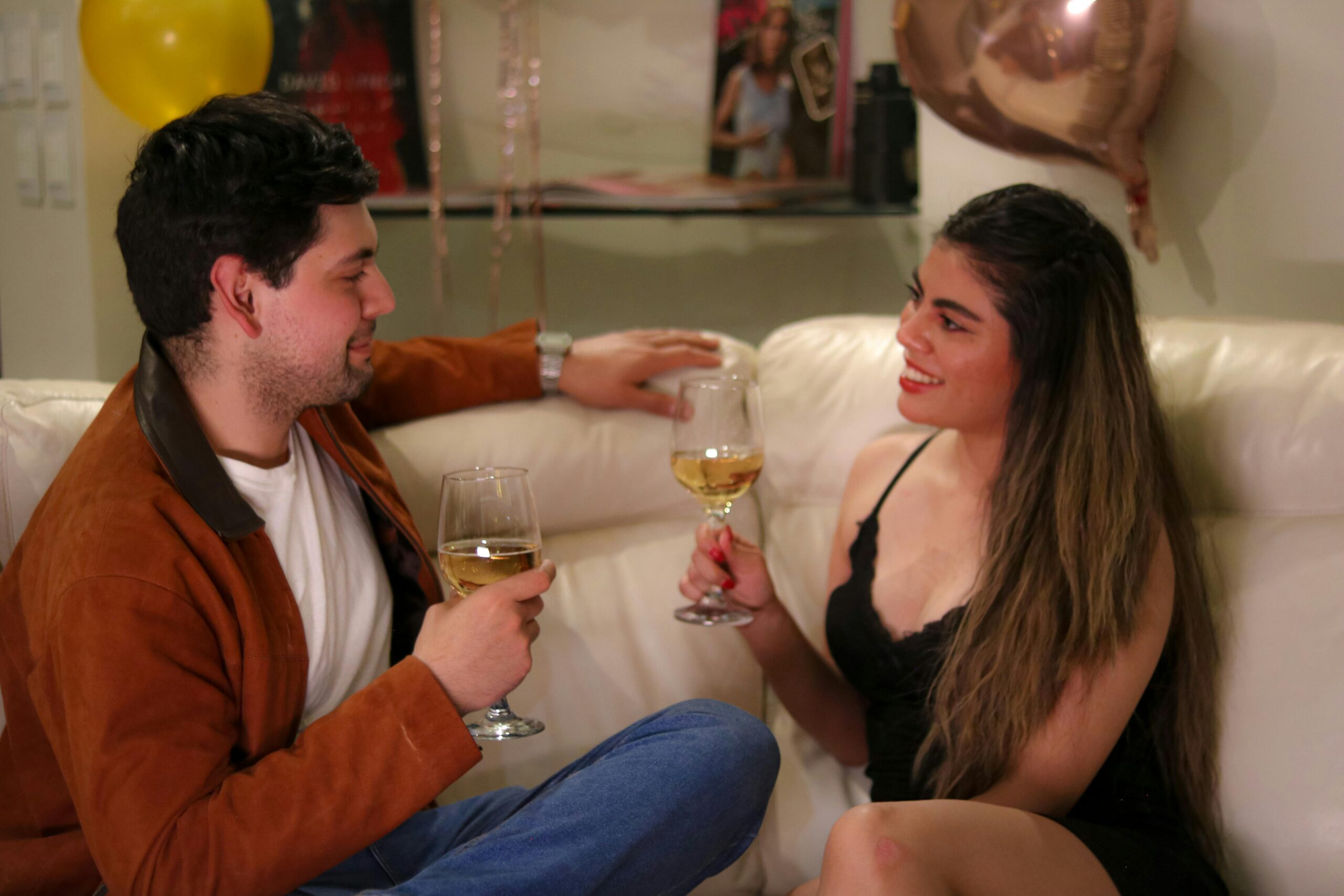
Wine anxiety dulls enjoyment. When people worry about whether they are doing it right, taste suffers.
This is why many of the biggest wine mistakes even smart people make are not technical. They are psychological.
Relaxed drinkers notice more. Confident drinkers enjoy more. And that confidence is not something you are born with. It is something you build.
How to Recreate the Vacation Effect at Home
- Lower expectations. Curiosity beats comparison.
- Serve wine slightly cooler and slower
- Focus on the moment, not the notes
- Share the bottle with people you enjoy
Hosting without pressure helps too. A relaxed table changes everything, especially when you serve wine like a great host .
The Bottom Line
Great wine experiences are built, not bought.
The most memorable bottles are not always the most expensive. They are the ones tied to moments, places, and people that allow you to be present.
Where to Go Next
- Why Expensive Wine Isn’t Always Better
- The Biggest Wine Mistakes Even Smart People Make
- How to Serve Wine Like a Great Host
Tip. Add links here any time you publish a new related post to keep readers exploring Stories From the Cellar.
Wine isn’t something you master. It’s something you get more comfortable with over time. And the right guidance makes that comfort arrive faster.
Prefer to explore first? See who we trust and why.