Stories From the Cellar
How People Actually Choose Wine (And Why That Matters)
Most of us do not buy wine with a spreadsheet. We buy it with constraints.
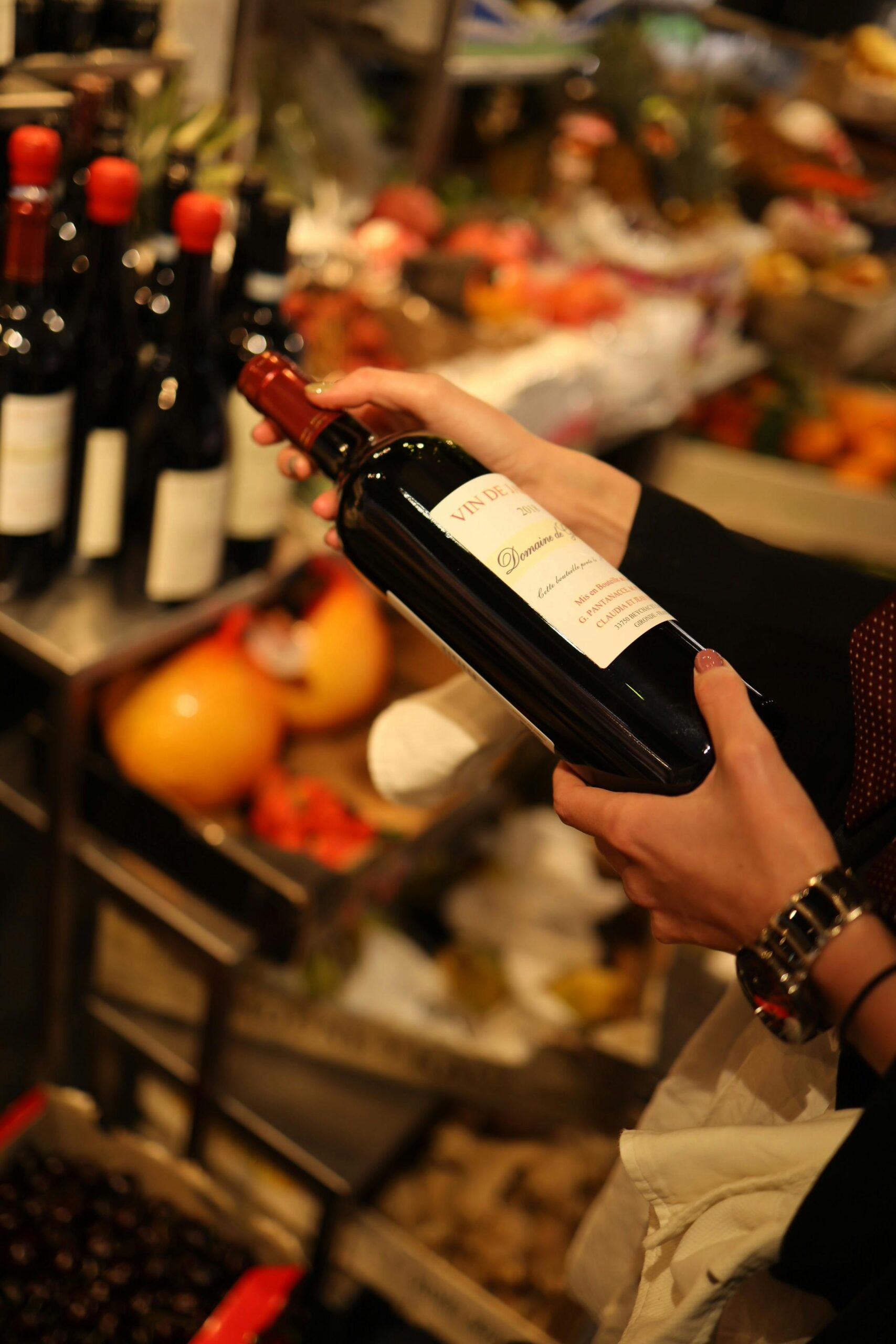
The wine world loves to talk about knowledge. Regions, producers, vintages, scores. But most wine is not chosen that way.
Most wine is chosen with five minutes to spare. It is chosen while thinking about dinner. It is chosen while heading to a host’s house. It is chosen while trying not to look unsure.
People do not choose wine in a vacuum. They choose it inside real life.
Once you see the real decision-making process, a lot of wine advice starts to make sense. It is not that the advice is wrong. It is that it is built for a different moment.
If wine confidence is the problem, and bad advice is the cause, this is what actually changes how people choose.
The four constraints that decide most bottles
When people say they “don’t know wine,” they usually mean something more specific. They mean they are choosing under pressure.
- Time. You are buying quickly, not studying.
- Budget. You want value, not regret.
- Social risk. You do not want to feel judged for the choice.
- Occasion. You are buying for a moment, not a theory.
Most advice skips this and starts with geography. That is why it feels useless in the aisle. If you want the deeper version of that argument, read Most Wine Advice Is Written for People Who Don’t Actually Buy the Wine.
Context beats expertise
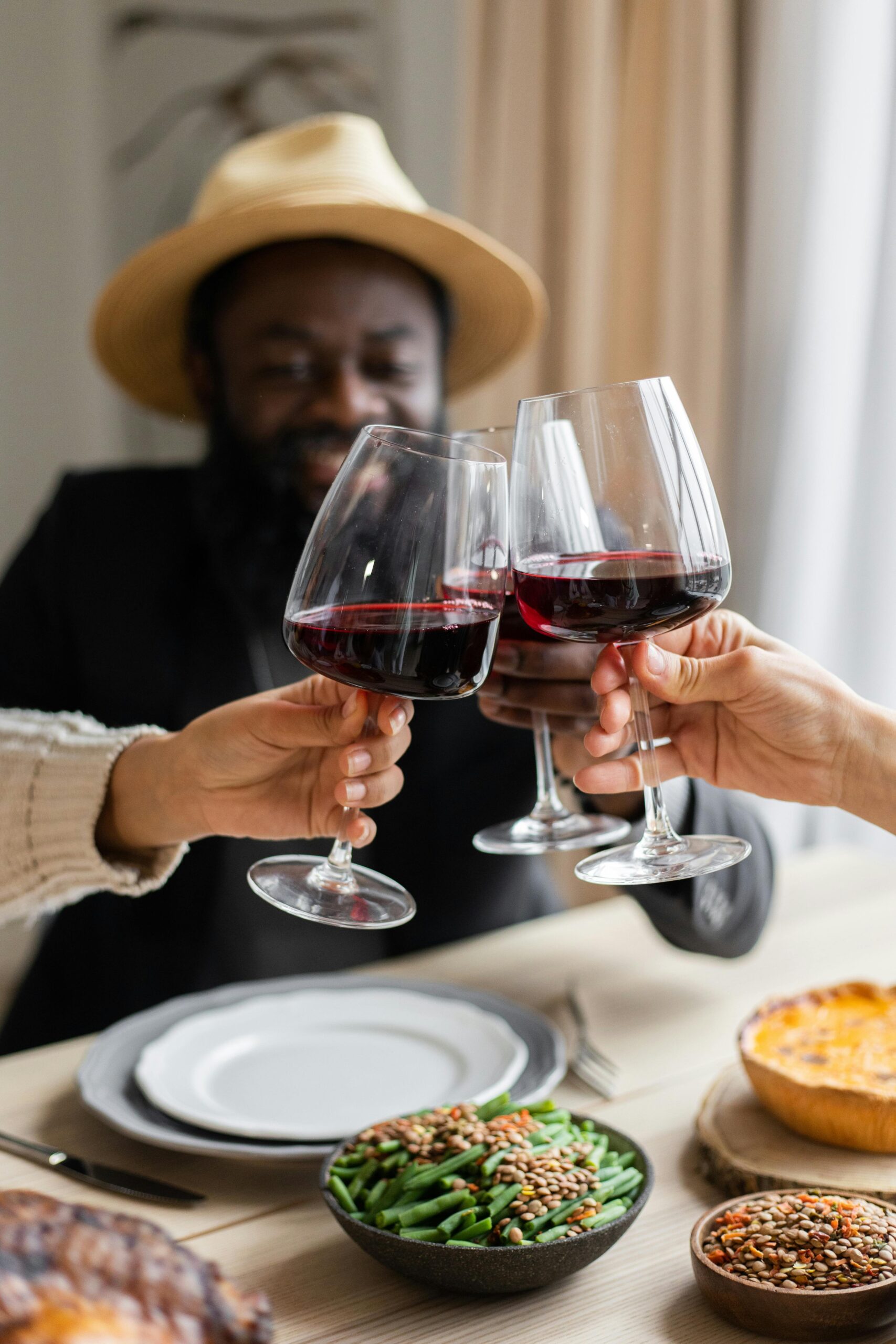
The most useful wine question is not “what is the best bottle.” It is “what is this bottle supposed to do for this moment.”
Tuesday dinner has different needs than a thank-you gift. Hosting friends has different needs than a quiet night in. If you start with the moment, the choice gets simpler.
Ask this first
- Is this for me, or for someone else?
- Is the goal comfort, celebration, or discovery?
- Do I want low-risk, or am I open to a little adventure?
This is also why “confidence” is not about vocabulary. It is about having a framework you trust. If you have ever felt wine pressure in social settings, you will like The Wine World Has a Confidence Problem.
What people reach for when they are unsure
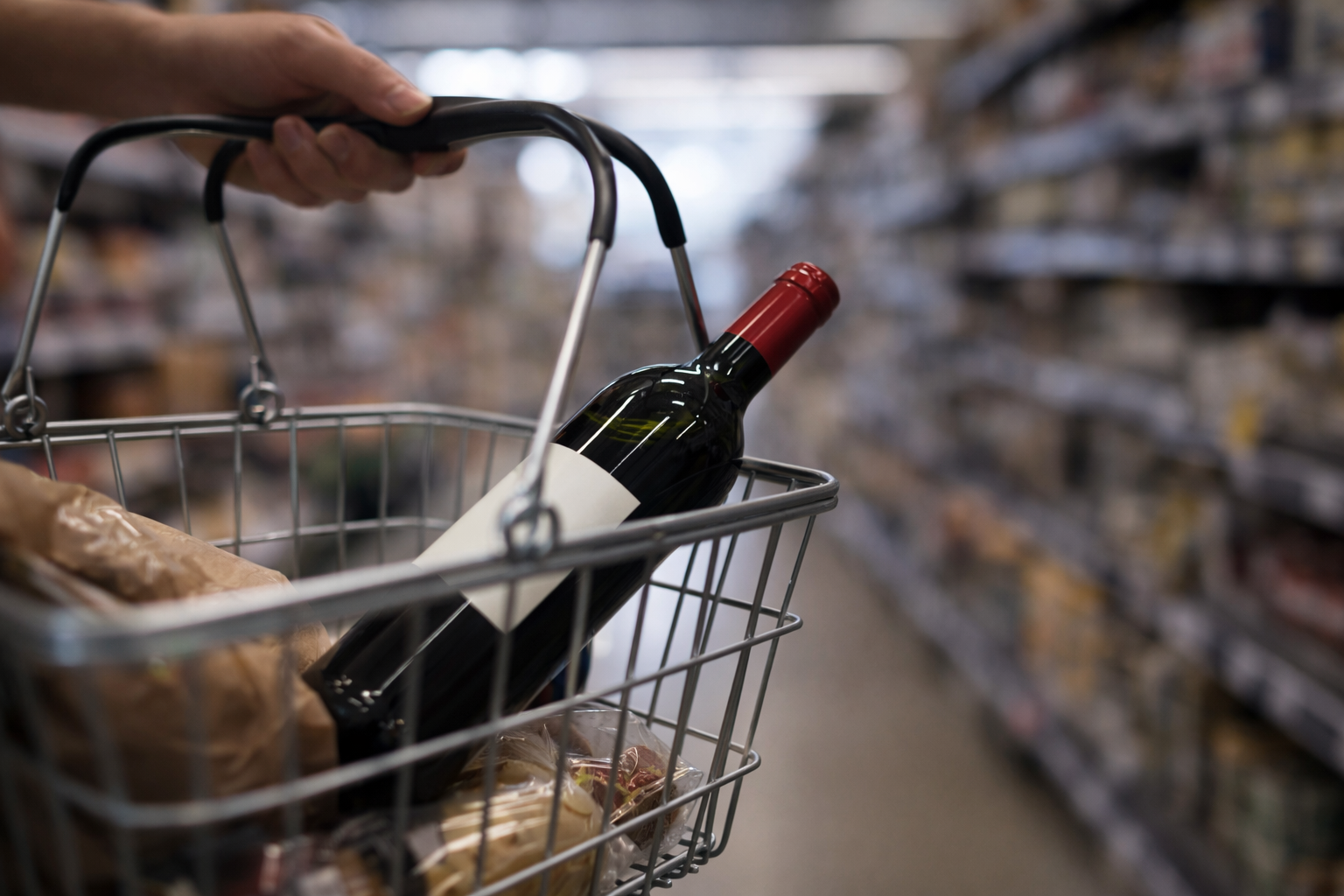
When people feel uncertain, they look for shortcuts. Not because they are lazy. Because the consequences feel social.
- Familiar labels, even if they are not exciting.
- Price as a proxy, even though it is an imperfect one.
- The “safe grape”, even if it is boring.
- The second-cheapest option, the classic move to avoid judgment.
None of these are wrong. They are normal. The problem is they stop people from learning what they actually like.
A framework that works in the aisle
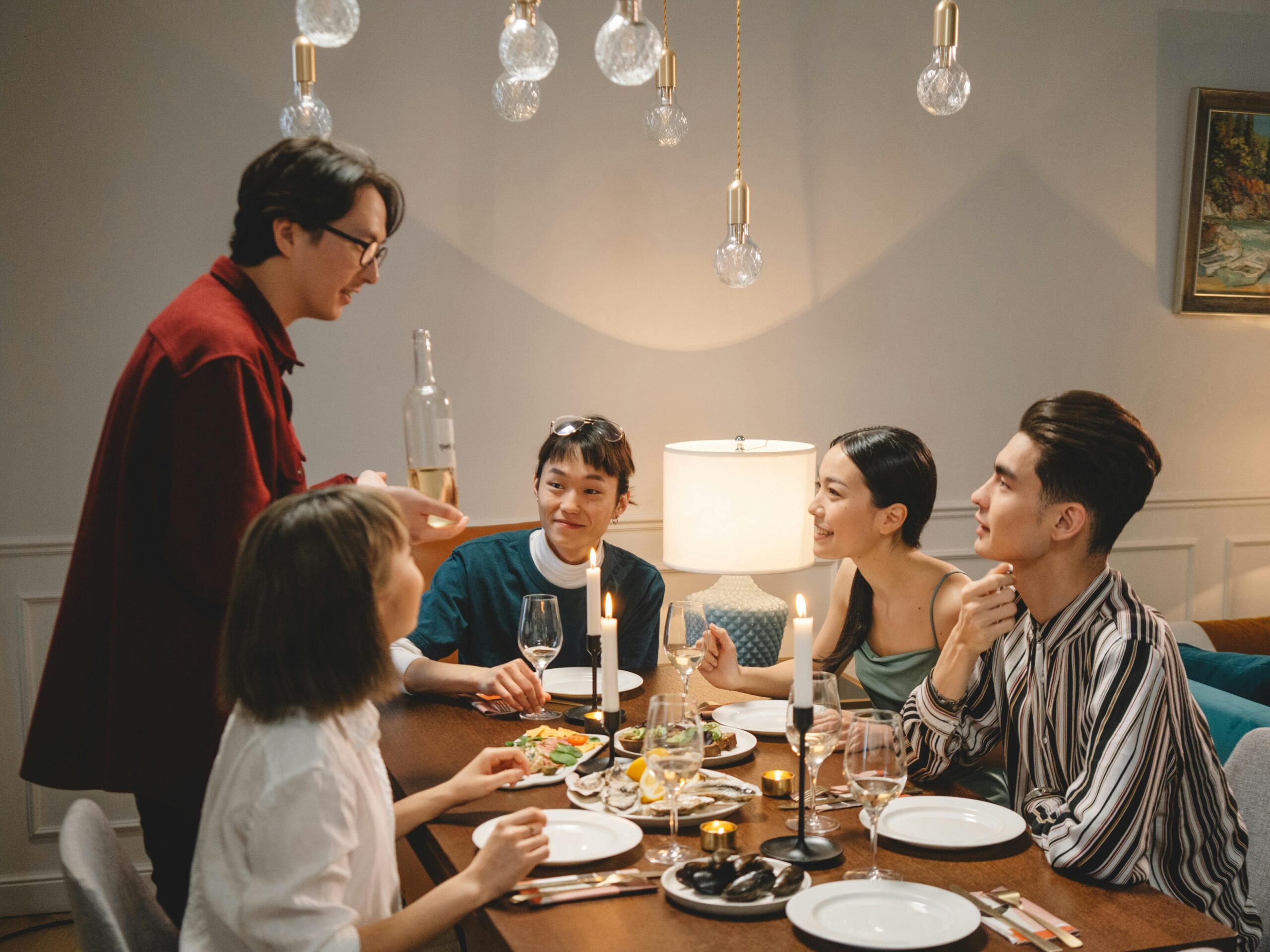
You do not need to know everything. You need a repeatable way to decide. Here is a simple system that works in under a minute.
1) Choose the job
- Weeknight. Easy, forgiving, good with food.
- Hosting. Crowd-friendly, versatile, not polarizing.
- Gift. Looks intentional, feels appropriate, low-risk.
2) Choose the vibe
- Light and bright (fresh, crisp, not heavy).
- Rich and cozy (rounder, deeper, more weight).
3) Choose the risk level
- Low. Classic styles, familiar grapes, easy wins.
- Medium. A new region, a trusted recommendation, a smaller producer.
- High. Discovery mode. Something unusual on purpose.
That is it. A job, a vibe, and a risk level. Most people can choose well with those three decisions alone.
Where curation helps the most
If you are buying for yourself and you enjoy browsing, a shop can be perfect. But if you are buying under pressure, or buying as a gift, curation removes the highest-friction parts of the decision.
- You do not have to guess what is worth it.
- You do not have to translate jargon.
- You get consistency, which builds confidence over time.
If you want the fastest, most personal starting point, take our Find Your Wine Club Quiz. If you want broader comparisons, visit our Best Wine Clubs hub. If the goal is gifting, use Best Wine Clubs for Gifting.
If you want the short list of partners we genuinely recommend, see Who We Trust.
The bottom line
People do not need more wine facts. They need fewer anxious decisions. When you start with the moment, the bottle gets easier.
The best wine choice is the one that fits your table, not someone else’s vocabulary.
A little structure gives you confidence. Then wine becomes what it should have been all along. A pleasure.
Where to Go Next
If you want to keep exploring the psychology side of wine, start with the confidence and decision posts in Stories From the Cellar.
Wine isn’t something you master. It’s something you get more comfortable with over time. And the right guidance makes that comfort arrive faster.
Prefer to explore first? See who we trust and why.