Stories From the Cellar
Exploring Wine Regions
A virtual tour of the world’s best vineyards. No passport required
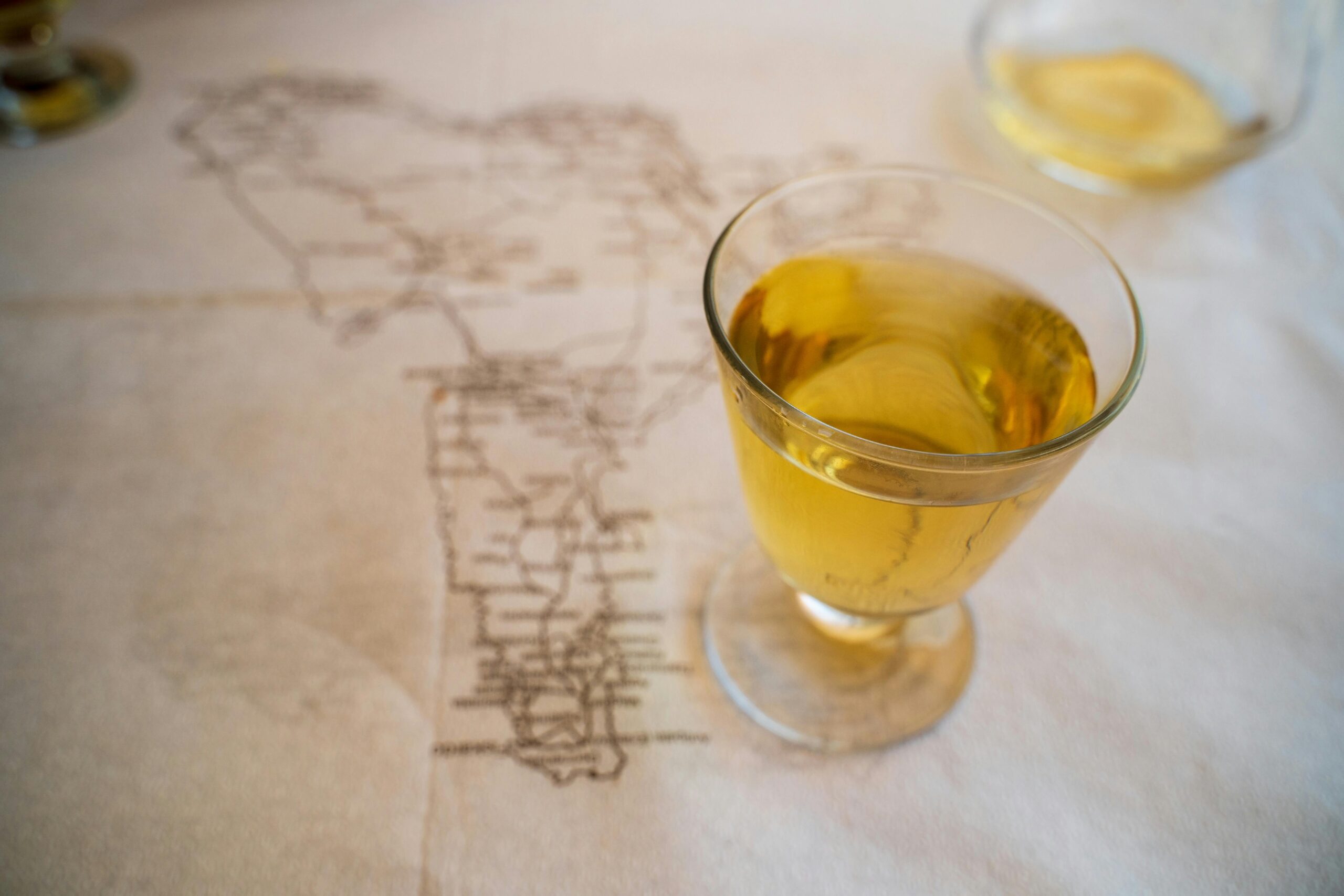
Wine gets dramatically easier the moment you stop treating it like a test. Regions are your shortcut, because regions explain style.
Once you understand a place, labels become less confusing, and your choices become more confident. Instead of guessing, you start recognizing patterns. “Oh, I like this because it’s bright,” or “I love this because it’s bold.”
Regions are the fastest way to find wines you actually love, without overthinking.
And if you’ve ever noticed that wine tastes better in a beautiful setting, you’re not imagining it. That’s exactly what we unpack in The Psychology of Wine.
Old World Classics
“Old World” wines (Europe) tend to be more restrained, food-friendly, and shaped by tradition. Think structure, acidity, and subtle complexity, wines that often shine brightest at the table.
Bordeaux, France
Bordeaux is famous for structured reds, typically blends built around Cabernet Sauvignon and Merlot. Expect blackcurrant, cedar, tobacco, and a polished, savory finish.
Quick clue: Left Bank leans Cabernet (firmer, more structured). Right Bank leans Merlot (rounder, plush). If you love the idea of cellaring and watching a wine evolve, Bordeaux is one of the world’s great “time wines.”
Tuscany, Italy
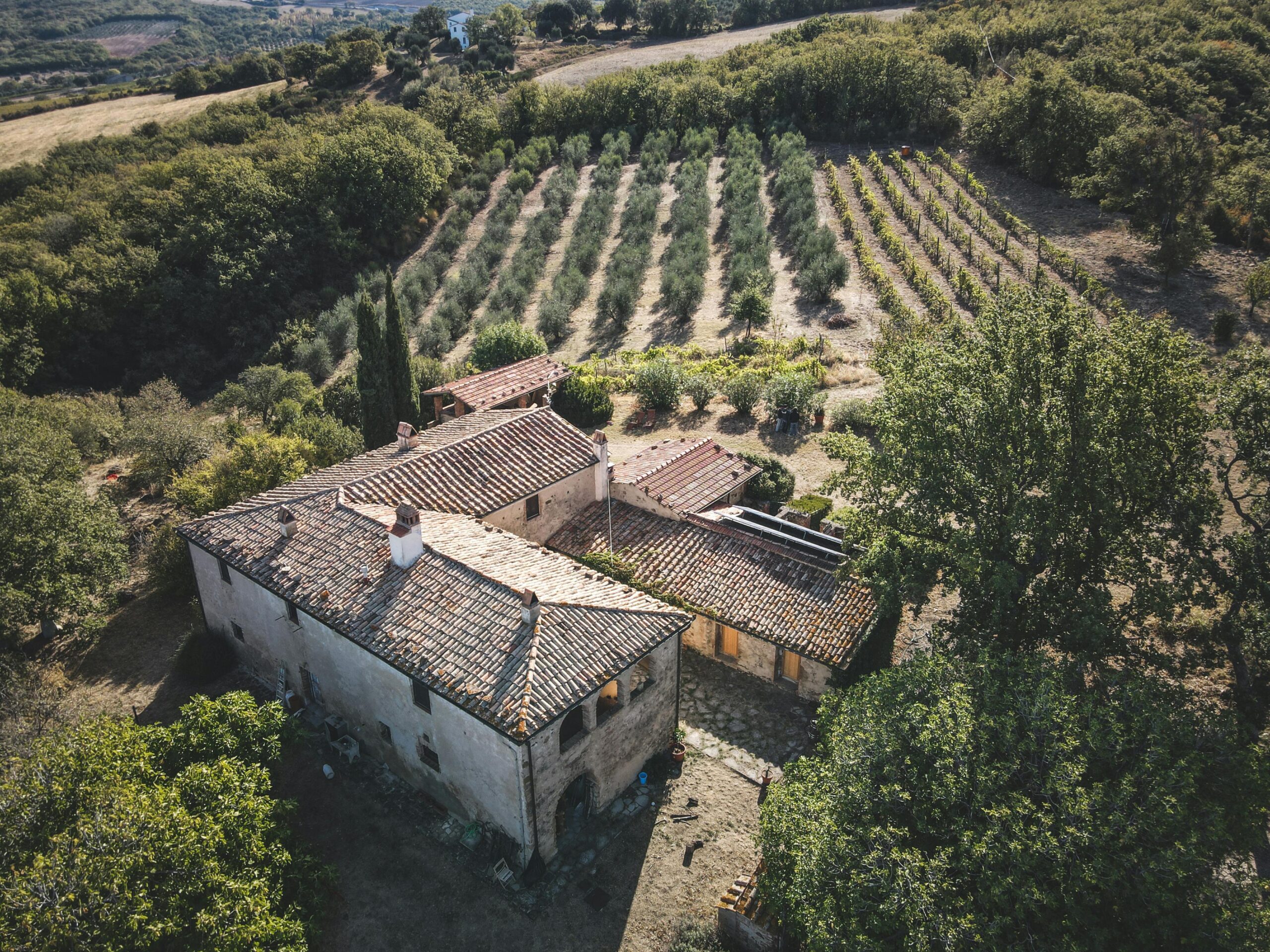
Tuscany is Sangiovese territory, the grape behind Chianti and (in its most serious form) Brunello. Expect cherry, dried herbs, leather, and bright acidity that pairs effortlessly with food.
Tuscany is also a pairing cheat code. If pairing feels like guesswork, bookmark The Ultimate Beginner’s Guide to Wine Pairing and you’ll never feel stuck again.
New World Standouts
“New World” wines (U.S., Australia, South America, etc.) often lean fruit-forward, approachable, and bold. They’re the wines people fall in love with quickly, and they’re incredible for hosting.
Napa Valley, California
Napa is famous for rich Cabernet Sauvignon and luxurious Chardonnay. Expect ripe fruit, oak influence, and a bigger presence in the glass.
Napa is also a reminder that price and prestige don’t always equal enjoyment. That’s why we wrote Why Expensive Wine Isn’t Always Better.
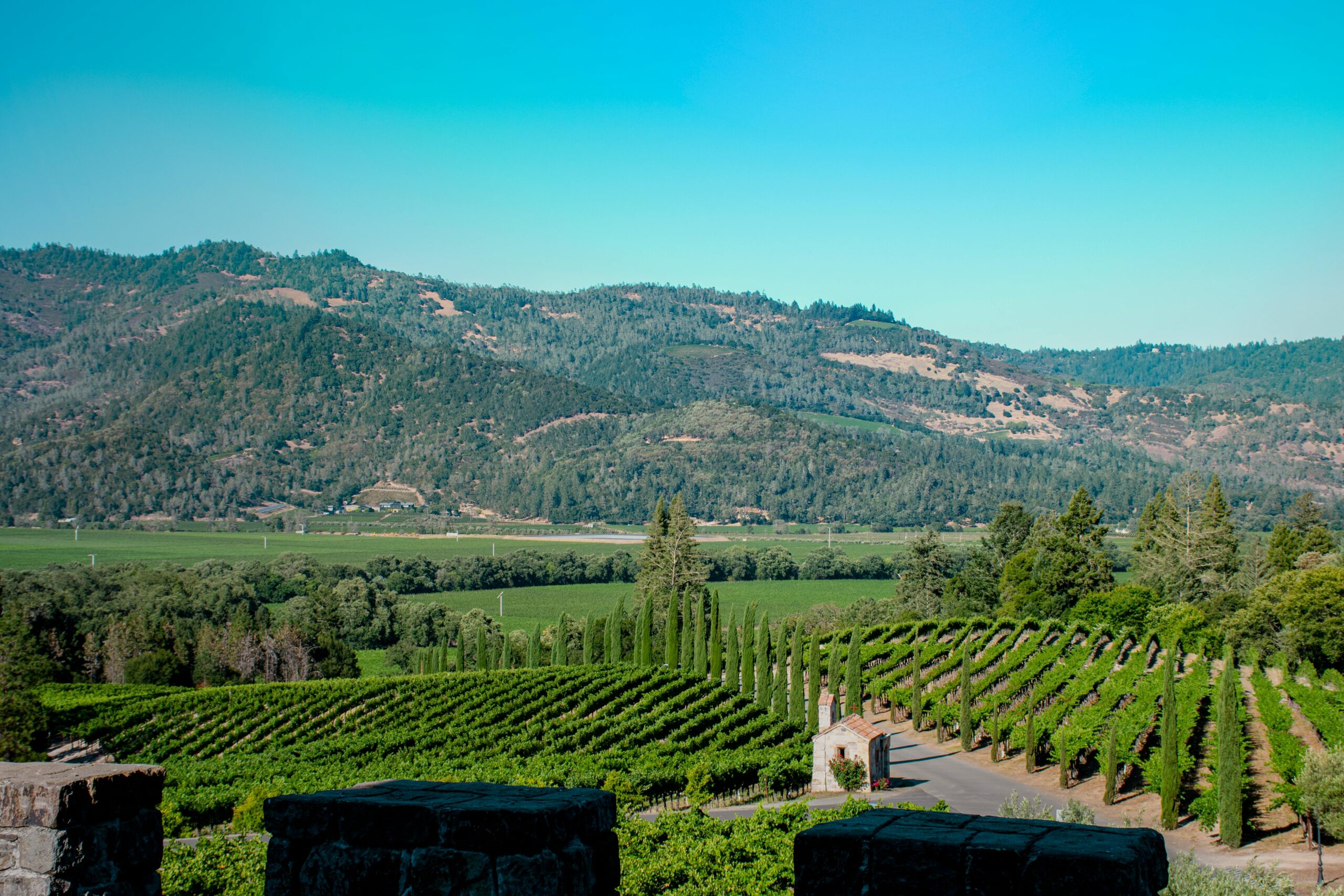
Barossa Valley, Australia
Barossa Shiraz (Syrah) is bold, plush, and peppery, packed with dark fruit and a warm, generous finish. It’s one of the easiest “wow” wines to serve guests who love richer reds.
If you want a simple hosting playbook (wine choices, temps, pacing) that eliminates stress, use How to Serve Wine Like a Great Host. It’s the fastest way to host with confidence.
Hidden Gems to Watch
Some of the most exciting wines don’t come from the most famous regions. They come from places where value is still high and curiosity is rewarded.
- Marlborough (New Zealand): electric, zesty Sauvignon Blanc
- Rioja (Spain): Tempranillo with spice, structure, and elegance
- Mendoza (Argentina): Malbec with depth and easy drinkability
The moment wine becomes fun is the moment you stop trying to “get it right” and start exploring. That shift alone eliminates many of the biggest wine mistakes even smart people make.
How to Explore Like a Pro (Without Becoming One)
Here’s the simplest way to build your “region radar”:
- Try one region twice (two different producers) before judging it
- Notice whether you prefer bright vs. bold
- Pair the wine with food once, many wines “wake up” at the table
- Write one sentence after each bottle: “I liked this because…”
Over time, your taste becomes obvious, and confidence follows. If you want a no-pressure approach to building that confidence over months and years, pair this with How to Build a Wine Collection Without Becoming a Snob.
The Bottom Line
Wine regions turn “confusing” into “curious.”
You don’t need to memorize maps or master pronunciations. Start with one region, follow what you enjoy, and let curiosity do the rest. The world is big, and your next favorite bottle is probably somewhere you haven’t explored yet.
Where to Go Next
- The Psychology of Wine
- The Ultimate Beginner’s Guide to Wine Pairing
- Why Expensive Wine Isn’t Always Better
Tip: When you add images later, use 3–4 total (map + 2 vineyard landscapes + one “travel vibe” lifestyle photo).
Wine isn’t something you master. It’s something you get more comfortable with over time. And the right guidance makes that comfort arrive faster.
Prefer to explore first? See who we trust and why.