Stories From the Cellar
The Ultimate Beginner’s Guide to Wine Pairing
How to stop second-guessing the bottle and start enjoying the meal
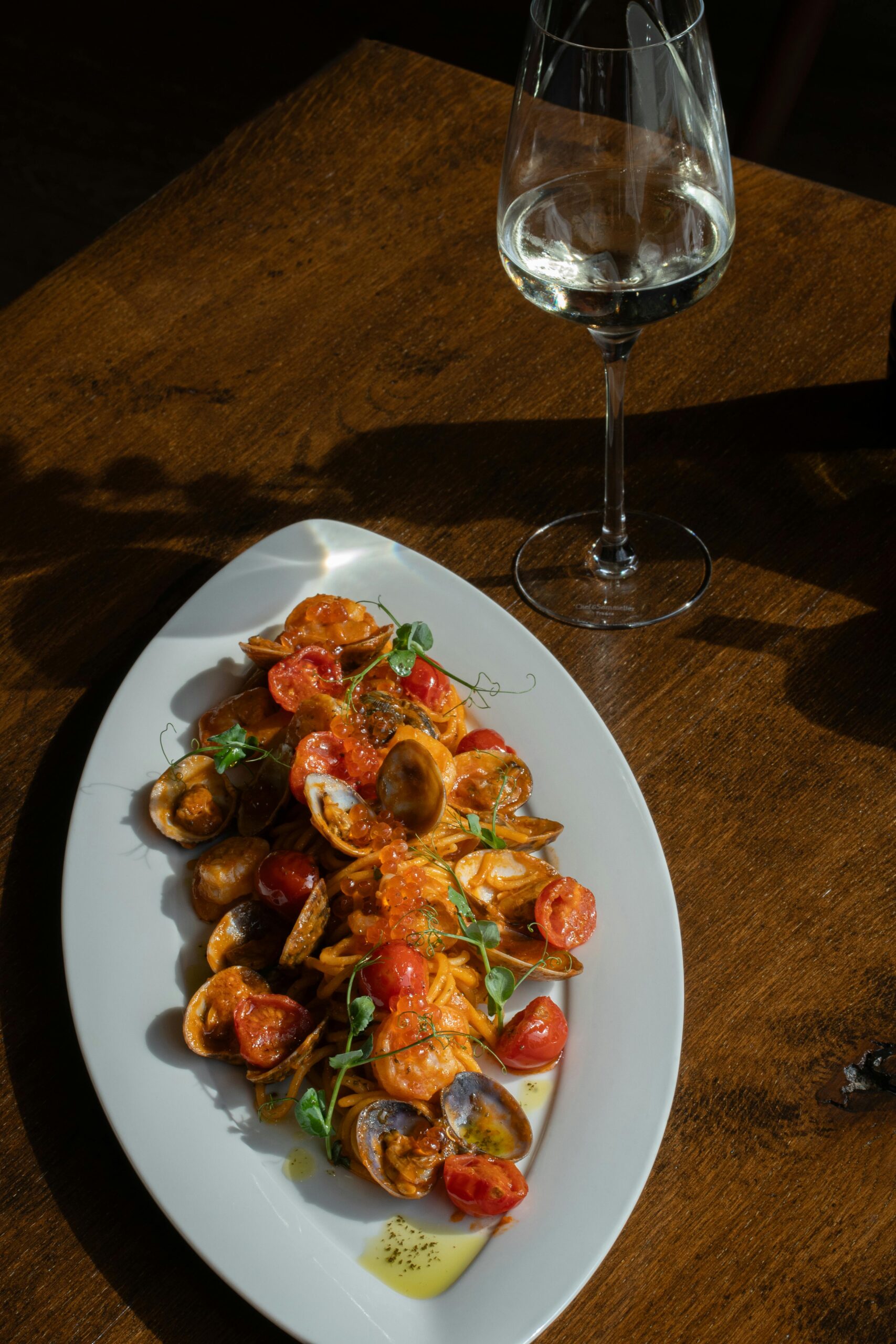
If wine pairing has ever made you pause mid-order, wondering whether your choice will “work.” You’re not alone.
Good wine pairing isn’t about perfection. It’s about harmony.
The goal isn’t to impress anyone. It’s to make food and wine taste better together. Once you understand a few simple ideas, pairing becomes intuitive. Even fun.
If wine anxiety sounds familiar, you’ll also appreciate The Psychology of Wine, which explains why confidence often matters more than correctness.
The Only Rule That Actually Matters
Match the weight of the wine to the weight of the food.
- Light food → light wine
- Hearty food → fuller-bodied wine
Once you get this right, most “mistakes” disappear. Overthinking is one of the biggest wine mistakes even smart people make.
Four Pairing Principles That Never Fail
1. Acid Cuts Fat
High-acid wines (Sauvignon Blanc, Pinot Grigio, Champagne) refresh the palate when paired with rich, creamy, or fatty dishes.
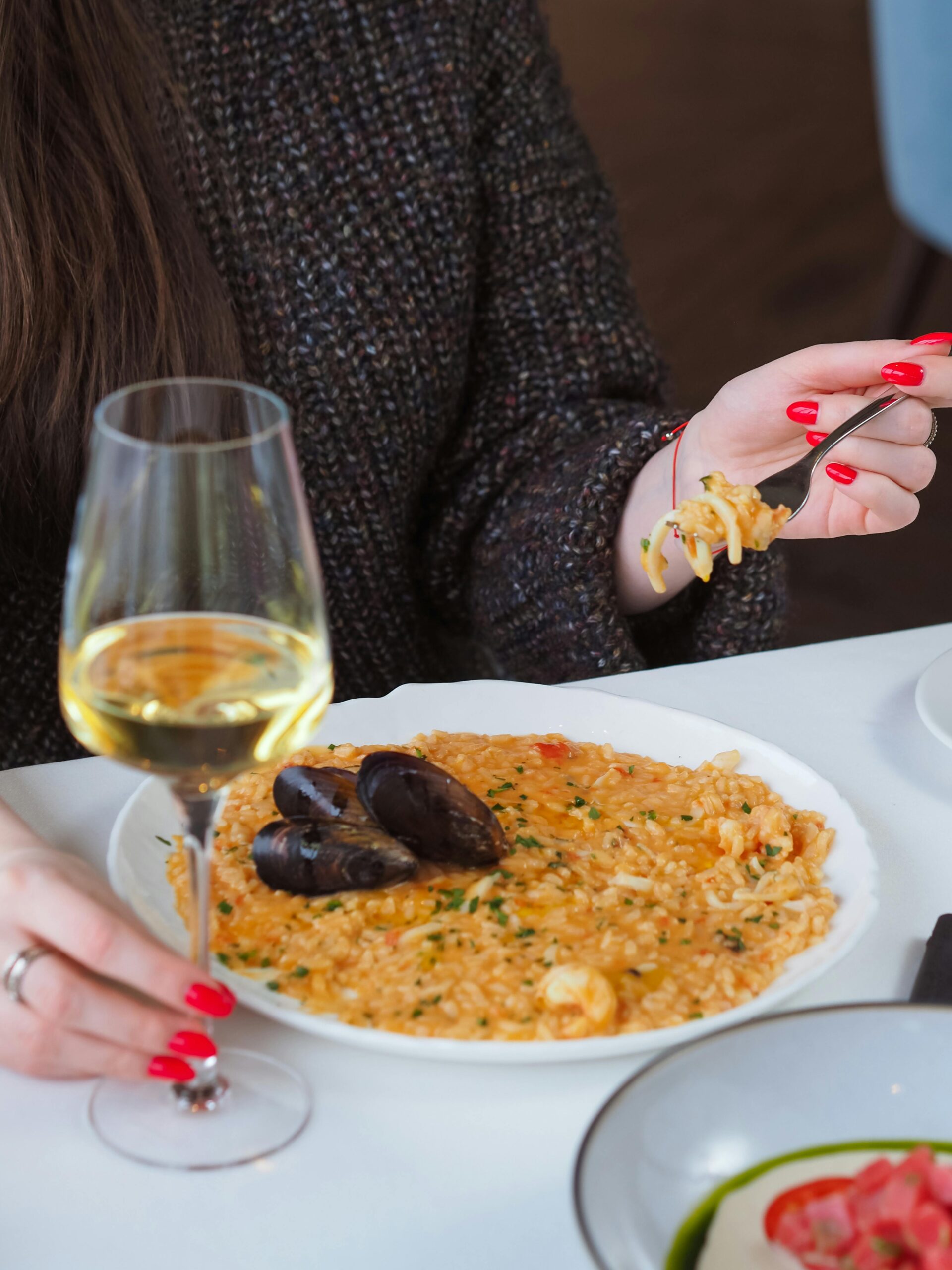
2. Sweetness Softens Spice
Spicy food amplifies alcohol and tannin. A slightly off-dry wine (Riesling, Gewürztraminer) cools the heat instead of fighting it.
3. Tannins Love Protein
Big reds feel smoother alongside protein-rich foods. Steak, lamb, and aged cheeses tame bold tannins beautifully.
4. Sauce Matters More Than Protein
Tomato sauce behaves differently than cream sauce. Even on the same pasta. When in doubt, pair to the sauce, not the meat.
10 Foolproof Pairings You Can Memorize
- Steak or Red Meat → Cabernet Sauvignon or Malbec
- Chicken or Turkey → Chardonnay or Pinot Noir
- Salmon → Pinot Noir or oaked Chardonnay
- White Fish or Shellfish → Sauvignon Blanc
- Tomato-Based Pasta → Chianti or Sangiovese
- Creamy Pasta → Chardonnay or Champagne
- Spicy Dishes → Off-dry Riesling
- Chocolate Dessert → Port or late-harvest red
- Cheese Board → Mix of reds and whites
- Anything Grilled → Zinfandel or Syrah

The Secret Most Guides Skip
The best pairing is the one you enjoy.
Rules are starting points, not laws. Taste, adjust, and trust yourself.
This is also why expensive wine isn’t always better. Enjoyment beats prestige every time.
Where to Go Next
Pairing becomes easier when your wines are approachable and varied. If you’re building confidence, start with bottles designed for drinking, not decoding.
Recommended Reading
- How to Serve Wine Like a Great Host
- The Psychology of Wine
- Build a Wine Collection Without Becoming a Snob
Tip: This post works best as your beginner “entry door” into Stories From the Cellar.
Wine isn’t something you master. It’s something you get more comfortable with over time. And the right guidance makes that comfort arrive faster.
Prefer to explore first? See who we trust and why.